Pizza POS Inventory: Reduce Waste 20%
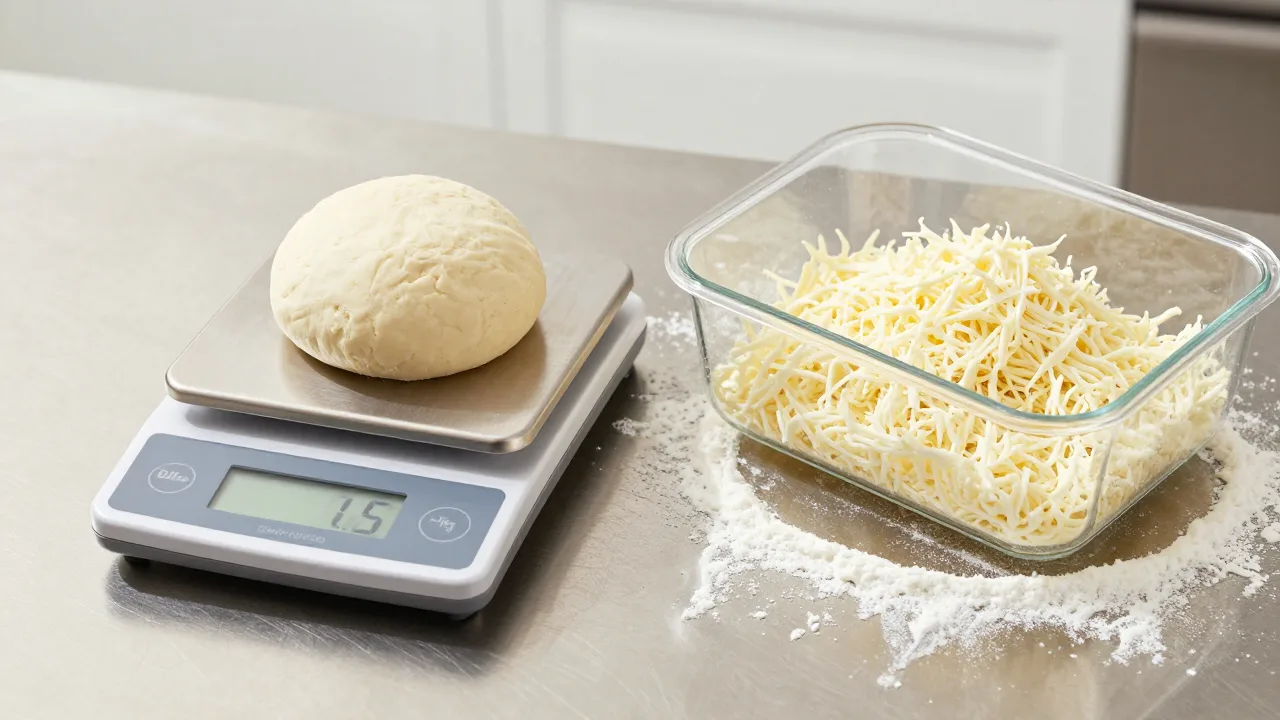
Waste in a pizza restaurant takes three forms: spoilage (ingredients that expire before use), overuse (ingredients used in excess of the recipe standard), and loss (theft or unrecorded prep errors). Most operators know waste is happening — the food cost percentage is higher than expected — but cannot identify which waste type is dominant or which ingredients are driving it.
Without that specificity, waste reduction efforts are unfocused: retraining everyone when only one station has a portioning problem, tightening ordering when the real issue is refrigerator organization. Your POS inventory module provides the specificity needed to target the right problem.
How POS Inventory Tracking Works
A POS with an inventory module operates on three linked data sets:
1. Recipe Data
Every menu item has a recipe stored in the POS: ingredient by ingredient, with the exact quantity used per serving. This is the foundation. If recipes are inaccurate, all subsequent analysis is distorted. Spend time building accurate recipes — weigh actual portions, record actual quantities, and update the system when recipes change.
2. Sales Data
Every time a menu item is sold, the POS deducts the recipe quantities from the inventory on hand. After 100 pepperoni pizzas are sold in a day, the system shows exactly how much pepperoni, cheese, sauce, and dough should have been consumed — the theoretical usage.
3. Physical Count Data
At the end of each inventory period (weekly or biweekly), staff conduct a physical count of all ingredients. This count is entered into the POS, which calculates the actual usage by comparing beginning inventory plus purchases to the ending count. The variance between theoretical usage and actual usage is your waste figure, by ingredient.
The Waste Variance Report
The output is an ingredient-level waste variance report. A simplified example:
| Ingredient | Theoretical Usage | Actual Usage | Variance | Cost of Variance |
|---|---|---|---|---|
| Whole milk mozzarella | 48.2 lbs | 54.6 lbs | +6.4 lbs | $24.32 |
| Pepperoni | 22.1 lbs | 23.8 lbs | +1.7 lbs | $7.14 |
| Pizza sauce | 31.4 lbs | 32.1 lbs | +0.7 lbs | $0.84 |
| Fresh basil | 1.8 lbs | 3.2 lbs | +1.4 lbs | $8.40 |
| Dough balls (16") | 312 | 318 | +6 | $2.88 |
This report immediately focuses attention. Mozzarella variance at $24.32 per week is $1,265 per year from one ingredient. Fresh basil variance at 78% above theoretical suggests either significant spoilage (short shelf life, over-ordered) or substantial prep waste. Pepperoni variance is modest. Sauce variance is negligible.
Diagnosing Waste by Type
Portioning Drift (Most Common)
Staff apply more of an ingredient than the recipe standard specifies — sometimes deliberately, sometimes from imprecise technique. Cheese is the most common victim. A pizza that should receive 8 oz receives 9 to 10 oz because kitchen staff do not weigh and learn to estimate. At $3.80 per pound, 1 extra ounce per pizza across 300 pizzas per week is $71.25 per week — $3,705 per year — from a single unweighed ingredient.
Solution: Require kitchen scales at the prep station for all high-cost ingredients. Conduct periodic spot checks where a manager weighs a freshly prepared item. Display recipe standards at each station.
Spoilage (High for Fresh Ingredients)
Fresh ingredients that expire before use inflate actual usage without any corresponding sold items. The POS variance report shows the total overuse but cannot distinguish spoilage from portioning drift without a waste log. Implement a daily waste log where kitchen staff record any item discarded due to spoilage or prep error — just the item, quantity, and reason.
Comparing the waste log to the variance report reveals how much of the variance is spoilage vs. overportioning. Spoilage is addressed through ordering discipline (order less, more frequently), FIFO enforcement (first in, first out in the walk-in), and shelf-life monitoring.
Theft
A consistent variance on high-value, easily portable items (cheese blocks, protein toppings, beverages) that cannot be explained by portioning or spoilage warrants investigation. Implement a dual-signature receiving process for high-value deliveries, install cameras in the walk-in if variance is significant, and review who had access during the variance period.
Example scenario: a pizzeria bringing food cost from 34 percent down to 29.1 percent
Illustrative scenario — a composite example built to show how the numbers work. It does not describe a real business or customer.
Consider a pizzeria whose food cost is running at 34 percent against a 28 percent target. After activating the inventory module in its POS and conducting four weekly physical counts, the waste variance report shows mozzarella overuse of 8.2 lbs per week and fresh ingredient spoilage accounting for approximately $180 per week. It installs a kitchen scale at the pizza prep station, retrains on cheese portioning, and adjusts its fresh ingredient order frequency from once to twice weekly. Eight weeks later, food cost has dropped to 29.1 percent — saving approximately $4,200 per month at its revenue level.
Ordering Discipline to Prevent Over-Inventory
Over-ordering creates spoilage. Your POS can generate a purchasing recommendation based on projected sales for the coming week (using historical sales patterns) and current inventory on hand. This par-level ordering replaces gut-feel purchasing with a calculation:
Order Quantity = (Projected Usage x Coverage Days) + Safety Stock - Current Inventory
For fresh ingredients with 3 to 5 day shelf lives, coverage days should be 3 to 4 at most. Over-ordering to "be safe" creates the spoilage problem that was supposed to be prevented.
Upgrade to KwickOS
POS with inventory tracking, waste variance reporting, and automated par-level purchasing recommendations.
Start Free Trial →Become a KwickOS Reseller
Earn recurring commissions selling the complete KwickOS platform to restaurants in your area.
Reseller Program →