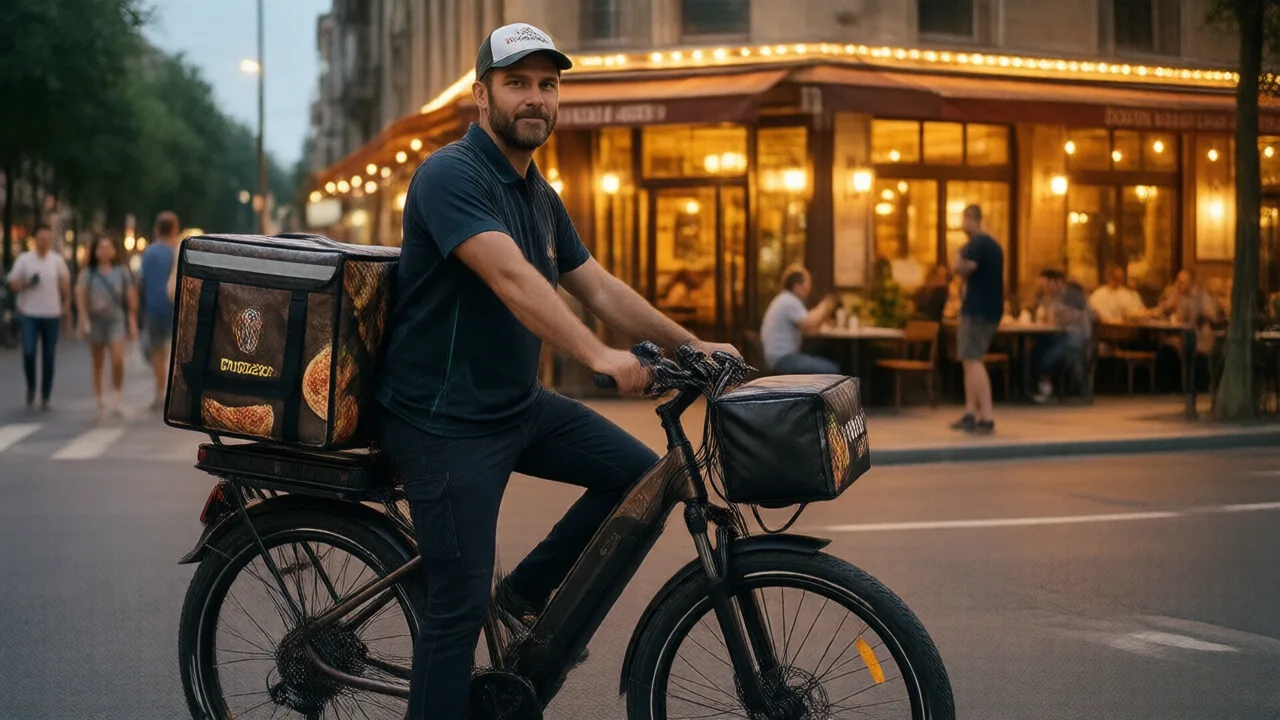
Pizza Delivery Economics in 2026: Marketplace Fees, Direct Orders, and Driver Cost
Delivery can make a pizzeria look busy while quietly weakening margin. The order may be profitable at the counter, but once marketplace fees, driver time, remakes, refunds, packaging, loyalty ownership, and customer data loss are included, the economics can change completely.
Start with contribution margin, not sales volume
A delivery order should be judged by what it contributes after variable costs. For pizza, the base calculation includes food cost, box and bag cost, card processing, delivery platform commission if any, driver labor, mileage or reimbursement, discounts, refunds, and the value of the customer relationship.
The POS needs to show this by channel. A $32 direct online order and a $32 marketplace order are not the same business. One may carry lower fees and return a usable customer record. The other may provide discovery but limit remarketing, loyalty, and future direct conversion.
Use marketplaces for discovery, direct ordering for repeat business
Marketplaces can expose a pizzeria to customers who would not otherwise find it. The problem starts when regulars keep ordering through the marketplace after they already know the restaurant. At that point the shop is effectively paying a discovery cost on a customer it already earned.
A healthier model is to treat marketplace orders as first-touch acquisition and use direct ordering for repeat behavior. Add direct-ordering links on box toppers, receipts, SMS confirmations, loyalty messages, Google Business Profile, and the restaurant website. The offer does not have to be aggressive. A simple direct-order-only reward, faster pickup quote, or loyalty point can shift repeat guests without training them to wait for heavy discounts.
Delivery zones should be financial rules
Many pizzerias draw delivery zones by habit: three miles, five miles, or "where we have always delivered." A better zone is based on order value, drive time, kitchen load, driver availability, and late-risk. A dense two-mile urban zone can be profitable with small orders. A five-mile suburban route may need a higher minimum, a delivery fee, or a longer promise time.
The POS should let the operator set rules by zone: minimum order, delivery fee, promised time, driver assignment priority, and whether third-party delivery is allowed. Those rules need to be visible during ordering. If a customer sees a promise time the kitchen and driver pool cannot meet, the refund conversation has already started.
Driver labor is part of the product
Delivery is not only a kitchen workflow. It is a labor model. A store using in-house drivers must track driver clock time, mileage, tips, cash owed, dispatch sequence, late runs, and end-of-shift settlement. A store using outsourced delivery still needs to track handoff time, marketplace issue rates, refunds, and customer complaints.
This is why delivery economics belongs inside the POS report, not a manager spreadsheet. The operator needs to see which channels and zones actually create margin after driver cost and issue cost. Otherwise the busiest delivery window can be the least profitable part of the week.
Menu pricing should differ by channel when cost differs
If a channel has a different cost structure, it may need different pricing. That can mean separate delivery menu pricing, delivery-only bundles, higher minimums, or limiting the menu to items that travel well. A pizza that is excellent in the dining room may create refunds after a long delivery route if it loses quality in transit.
Channel-specific pricing must be managed carefully. The goal is not to confuse customers. The goal is to protect the economics of the channel. If the POS keeps one master recipe cost and lets the operator manage channel pricing, the business can test changes without losing control of margin.
Track customer ownership
The most overlooked delivery metric is not commission. It is ownership of the customer record. Direct orders can capture name, phone, email, delivery address, favorite items, order frequency, average ticket, and loyalty behavior. Marketplace orders often limit that data or keep the long-term relationship with the platform.
A pizza POS should report how many customers moved from marketplace to direct ordering, how many direct customers became loyalty members, and how many lapsed customers returned after a win-back message. Those numbers explain whether delivery is building a customer base or renting one order at a time.
Build the own-your-order stack
The practical stack is simple: a direct ordering page connected to the POS, an online menu that understands pizza modifiers, caller ID for phone orders, SMS confirmations, loyalty enrollment, delivery zone rules, driver dispatch, and reporting that separates direct from marketplace performance.
QR codes on boxes can point to the direct ordering page. Phone staff or an AI phone assistant can text the direct link after answering common questions. Loyalty points can be earned and redeemed only on direct orders. Receipts can explain that ordering direct helps the restaurant keep prices stable and service faster.
Delivery economics checklist
- Separate direct online, phone, marketplace, pickup, dine-in, and catering in POS reports.
- Measure contribution margin by channel, not just gross sales.
- Set delivery zones by drive time, order value, labor availability, and late-risk.
- Use channel-specific menus and pricing when delivery cost or food quality differs.
- Track refunds, remakes, late orders, and support contacts by channel.
- Give drivers clean dispatch, cash settlement, tip, and mileage workflows.
- Use marketplaces for discovery, then give repeat guests a reason to order direct.
- Measure customer data ownership: direct customer profiles, loyalty enrollment, and marketplace-to-direct conversion.
Ready before the next rush?
KwickOS connects POS, online ordering, delivery workflows and reporting, while KwickPhone can handle phone overflow with AI. Want a standalone POS path? KwickPOS pairs cloud management with offline-capable restaurant POS.